Damaged Baggage Claims That Actually Get Paid
You usually have only 7 days to report damage — and 24 hours is best.
Background and context
Air travel involves a long chain of operations: ticketing, check-in, security, ground handling, dispatch, and arrivals. When something goes wrong with your flight, the issue you experience as a passenger is usually the visible result of a much larger operational chain. Understanding that chain helps you ask the right questions and reach the right person.
This guide on "Damaged Baggage Claims That Actually Get Paid" is built around what informed travelers actually do when they encounter the situation. The advice below works in most major regulatory regions — the United States (Department of Transportation), the European Union (EC 261/2004), the United Kingdom (UK261), and Canada (APPR) — but the exact rights, deadlines and amounts vary by jurisdiction. Always verify the rules with the relevant regulator or the airline's contract of carriage before you take a final action.
Step-by-step instructions
Follow these in order — each step builds on the previous one.
- 1
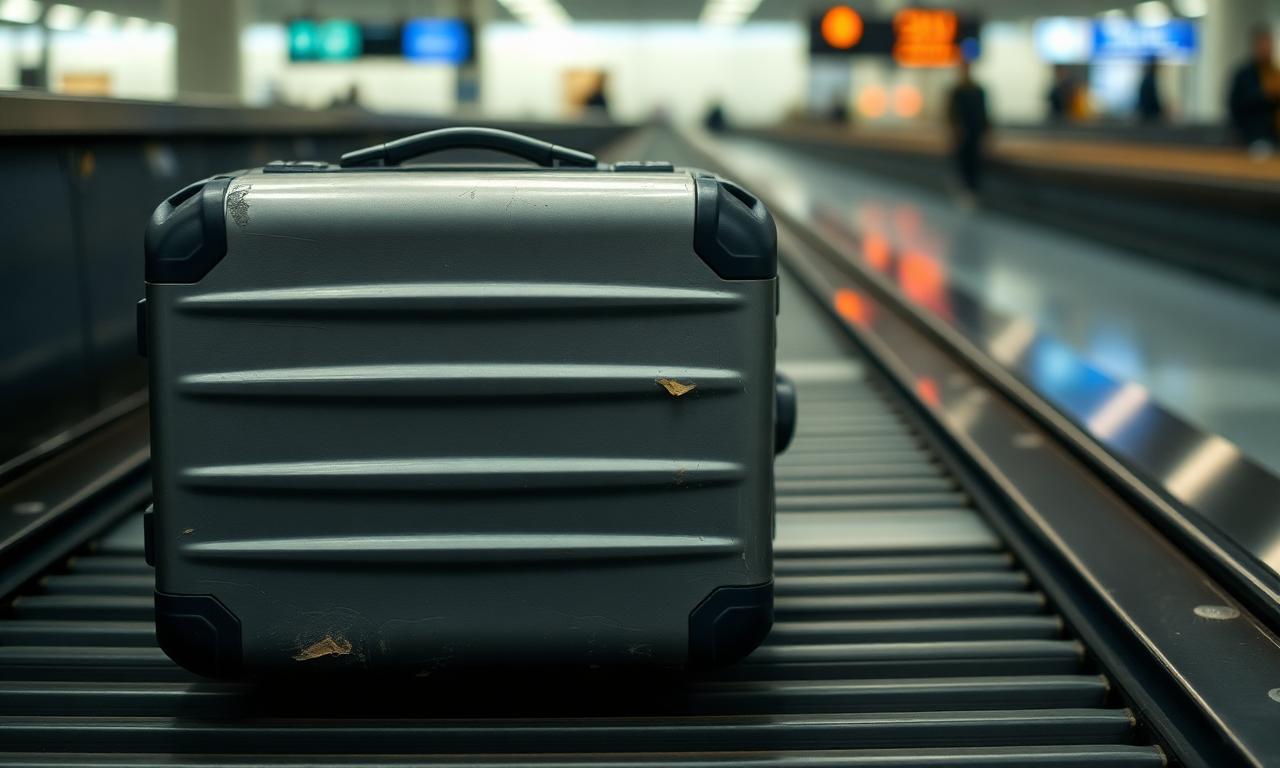
Photograph the damage at the baggage carousel before leaving.
- 2
File a damage report in person at the airport.
- 3
Keep the bag — airlines may ask to inspect or repair it.
- 4
Submit receipts for repair or replacement value.

Why this matters
Most passengers lose money or time not because the rules are unfair, but because they don't act early enough or don't gather the right evidence. A simple photo of a departure board, a saved chat transcript, or a written statement from an airline agent can turn a denied claim into an approved one weeks later.
The instructions in this article are written so you can act without legal training. They focus on the small, practical steps — what to ask, where to ask it, what to keep, and what to avoid saying — that consistently produce better outcomes for travelers. Follow the steps in order rather than skipping ahead, and document every interaction.
Checklist
- Photos
- Original purchase proof if possible
- PIR number
Tips
- Hard-shell luggage gets approved more easily for cracks.

Putting it all together
The most successful travelers treat each disruption as a process, not a panic. They use multiple channels in parallel (app, phone, counter, social media), they keep a running log of names and times, and they save every receipt — including small ones for water, taxis, and phone top-ups. None of these steps requires expert knowledge; they just require discipline in the moment.
If a single channel fails — for example, the call center is overwhelmed — switch immediately rather than waiting on hold indefinitely. The combination of speed, documentation, and politeness wins almost every disputed claim.
Common mistakes
- Throwing away the damaged bag before the claim is paid.
Conclusion
Knowing your rights is only half the story; using them quickly and calmly is the other half. Bookmark this guide and keep the airline's customer service number, your booking reference, and a copy of your itinerary somewhere easy to reach offline.
When in doubt, request everything in writing, keep your tone professional, and escalate to the appropriate national regulator if the airline does not respond within the time frame they are required to follow. Most travelers who follow this approach achieve a fair outcome without legal help.
This article is for general informational purposes only and does not constitute legal, financial, or travel advice.
Related guides
Lost Baggage: Step-by-Step Recovery
What to do the moment your bag doesn't show up.
How Much Are Lost Bags Worth? Liability Limits
International limits under the Montreal Convention are about $1,700.
Baggage Delay: What You Can Buy & Claim Back
Most airlines reimburse 'reasonable' essentials while your bag is missing.