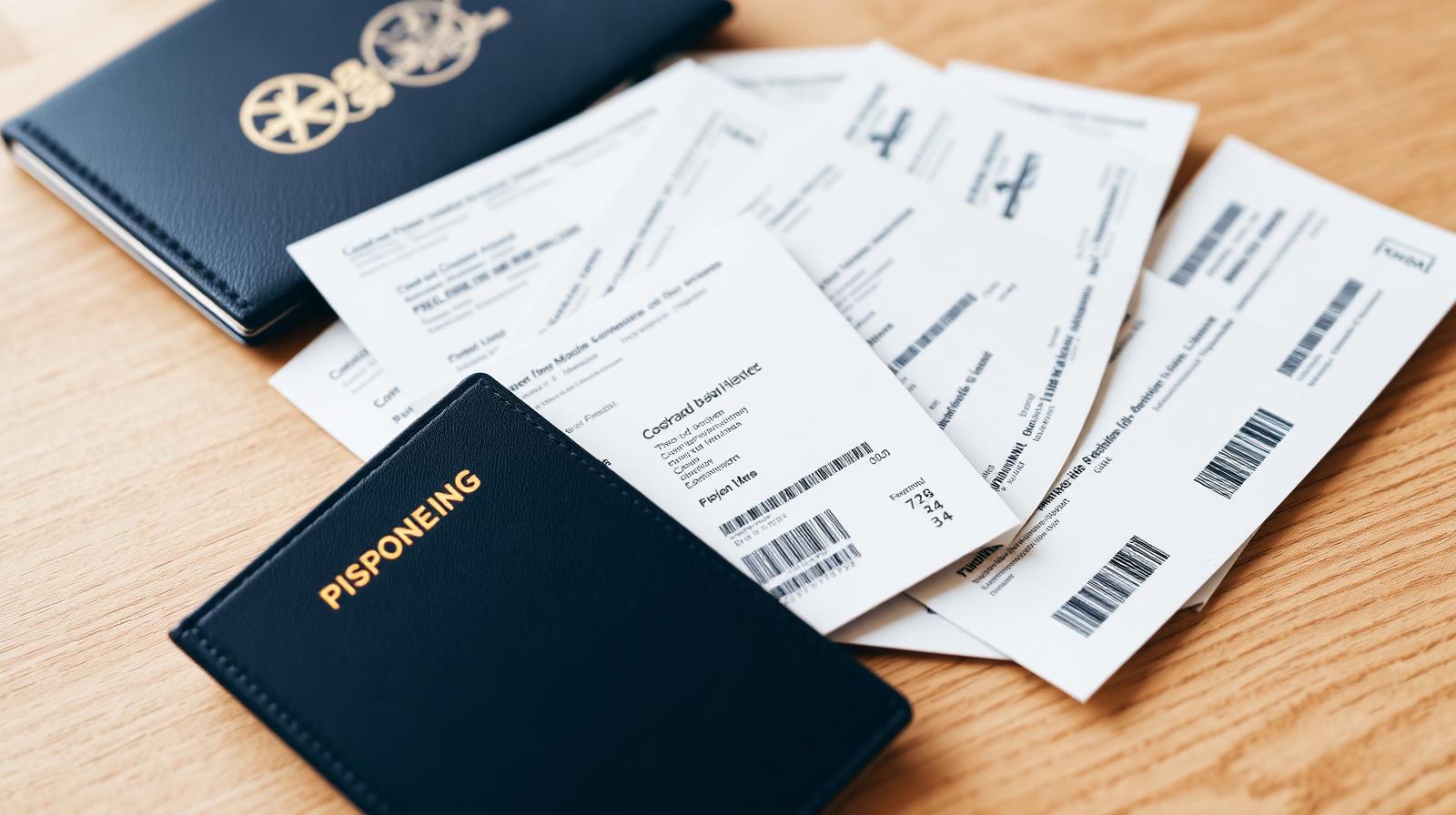
What fare classes are
A fare class (sometimes called a 'booking class') is a sub-product within a cabin. Economy on a major US carrier may include B, M, H, Q, V, W, S, T, L, U, K, G — all flying in the same physical seat but sold under different rules. Cheaper letters carry stricter rules; more expensive letters are more flexible.
When an airline cancels your flight and rebooks you on another, your fare class determines whether the new flight has space in your bucket. This is why two passengers on the same cancelled flight can be rebooked very differently — one is in a flexible class with seats available, the other is in a deeply discounted class that almost no other flight has open.
Why basic economy is different
Basic Economy is a marketing label for the most restrictive fare class on a given carrier. Tickets are typically non-changeable, non-refundable, board last, and earn limited frequent-flyer credit. They are designed to compete with low-cost carriers on price while protecting more flexible inventory for travelers who pay more.
Knowing whether you're on a Basic Economy fare changes everything about how you handle a disruption. You generally cannot upgrade, cannot voluntarily change, and may not have access to interline rebooking on a partner airline.
How to find your fare class
Open your booking confirmation and look for a single-letter code next to the flight number — for example 'BOS-LHR · BA213 · Class W'. That letter, combined with the airline's published fare rules, tells you exactly what you can and cannot do.
Key takeaways
- Two passengers in the same cabin can have very different rights based on their fare class.
- Basic Economy is a tightly restricted fare class — read the rules before you buy.
- Always note your fare-class letter; it controls how a disruption is resolved.