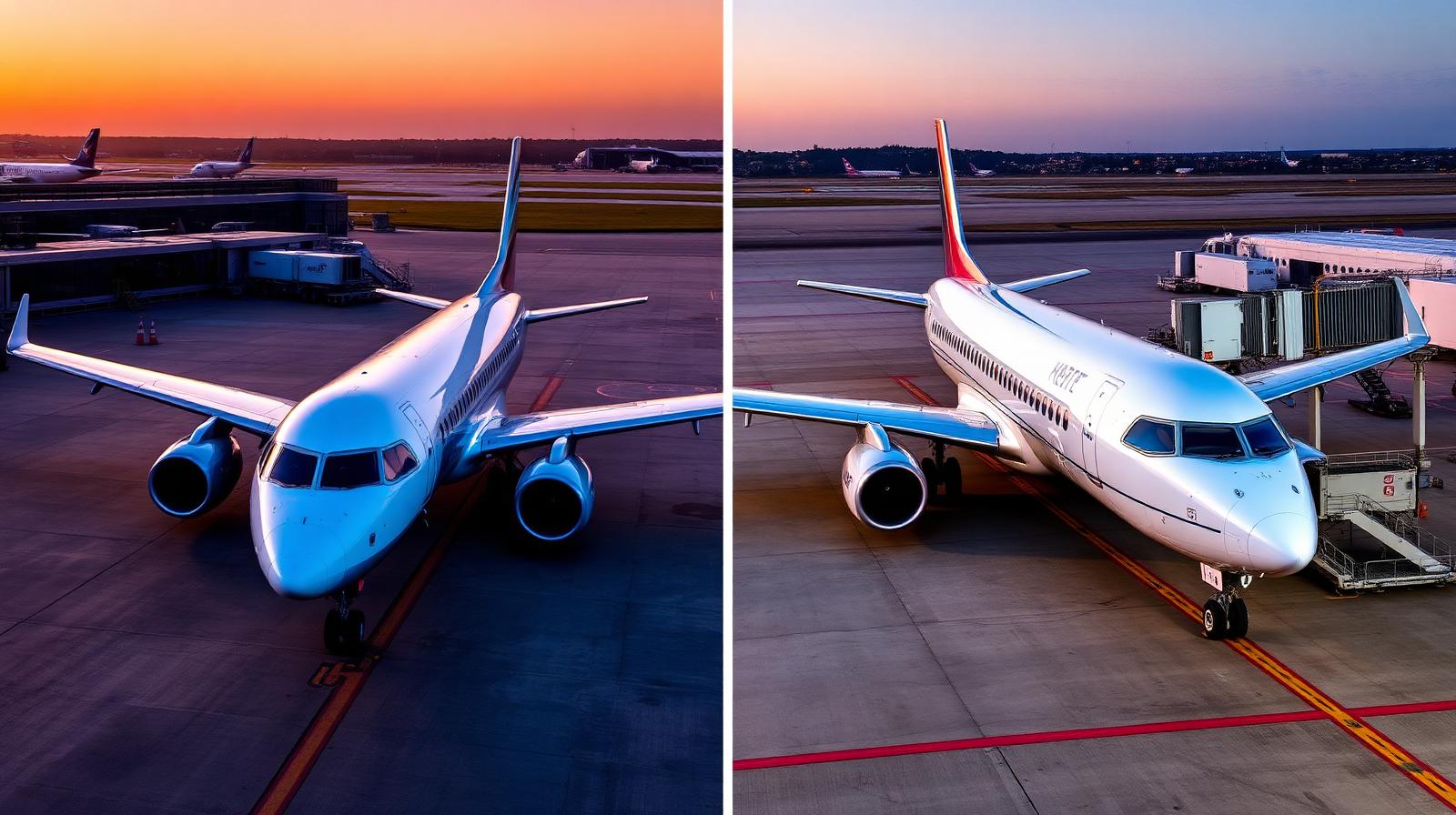
Low-cost and ultra-low-cost carriers
Low-cost carriers (LCCs) and ultra-low-cost carriers (ULCCs) build their business around a single, stripped-down fare. The headline price typically excludes seat selection, carry-on bags above a small personal item, food and drink, and changes. Each of these is sold as an optional add-on at check-in or at the gate.
Operationally, LCCs fly point-to-point routes (no transfers between flights), use a single aircraft type to reduce maintenance complexity, and turn aircraft around at the gate as quickly as 25 minutes. This efficiency keeps base fares low — but leaves little buffer when a single flight is delayed.
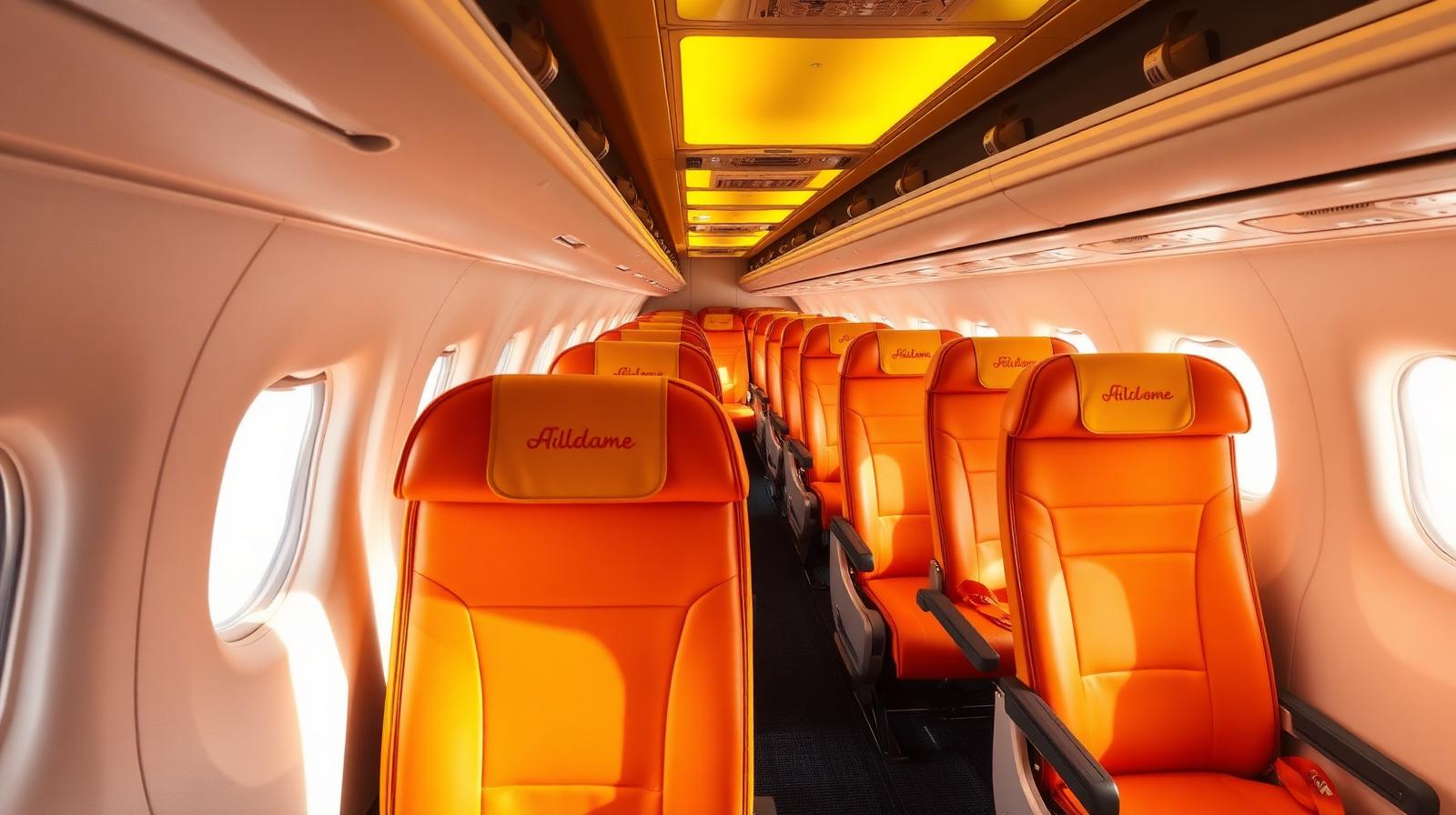
Full-service legacy carriers
Full-service carriers operate global hub-and-spoke networks with multiple aircraft types, lounges, partnerships with other airlines, premium cabins, and complex frequent-flyer programs. Tickets typically include a checked bag, seat selection, and meals on long flights. Disruption recovery is more robust because the carrier has more flights, more partners, and more spare aircraft.
The trade-off is price: full-service tickets cost more on the same route, even when the LCC alternative looks identical on a comparison site. Travelers who value flexibility, downstream connections, or premium amenities usually find the difference worthwhile.
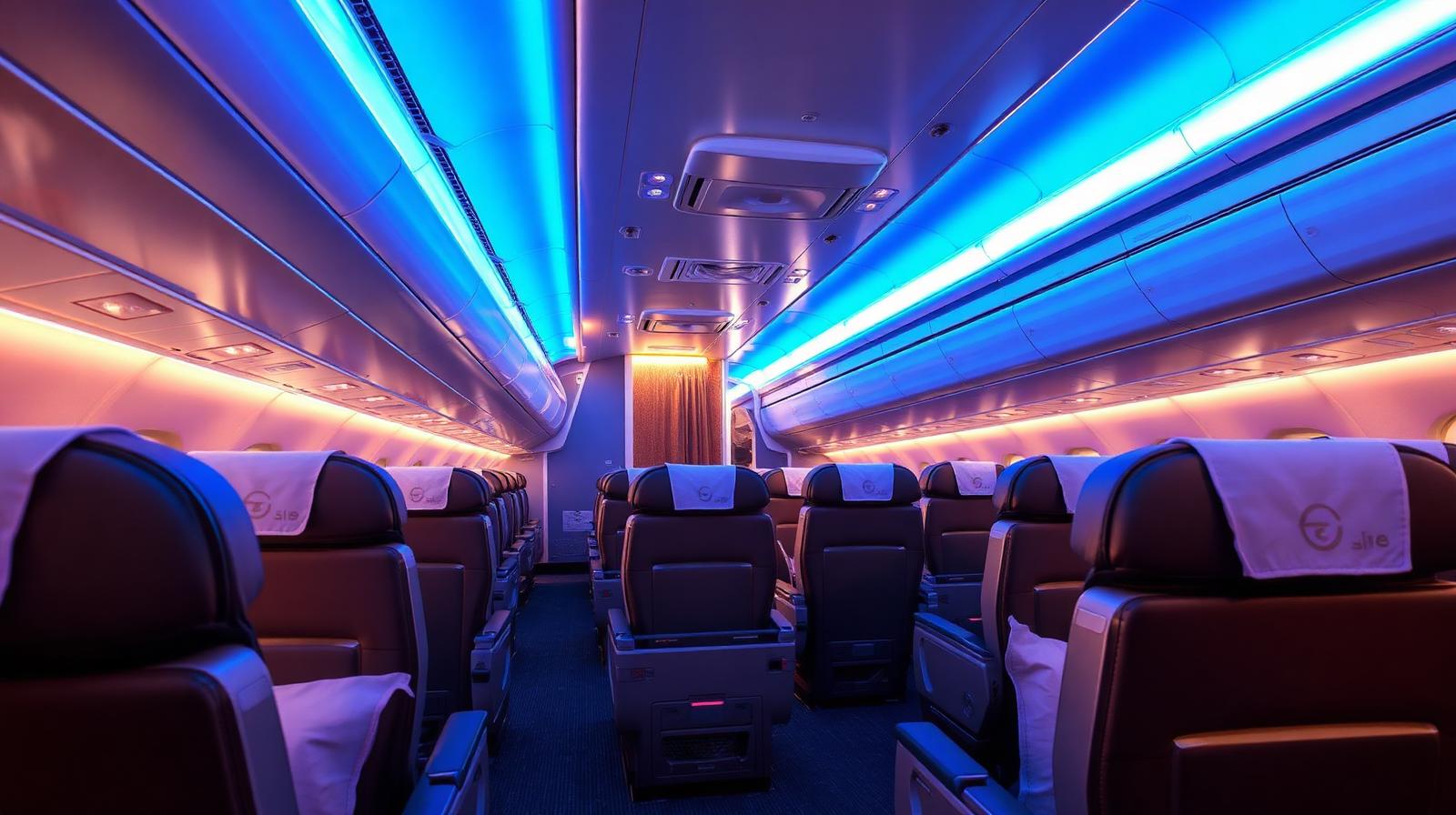
Hybrid and regional carriers
Many modern airlines are hybrids: a low-cost base fare with optional bundles that mimic a full-service experience. Regional carriers — typically operating smaller aircraft on shorter routes under the brand of a major airline — sit somewhere in the middle and play a critical role in connecting smaller cities to the global network.
Key takeaways
- Low-cost fares look cheap on the surface but often match full-service prices once add-ons are included.
- Full-service carriers absorb disruptions better thanks to larger networks and partnerships.
- Regional carriers operating under a major airline's brand may have different schedules, aircraft, and policies.
Related topics
Why Policies Differ
Three forces shape every airline rule: regulation, competition, and history.
Fare Classes
The single-letter fare code on your booking determines almost everything about your trip.
Why Refunds Vary
Refund policy is a function of fare type, jurisdiction, and the reason for cancellation.