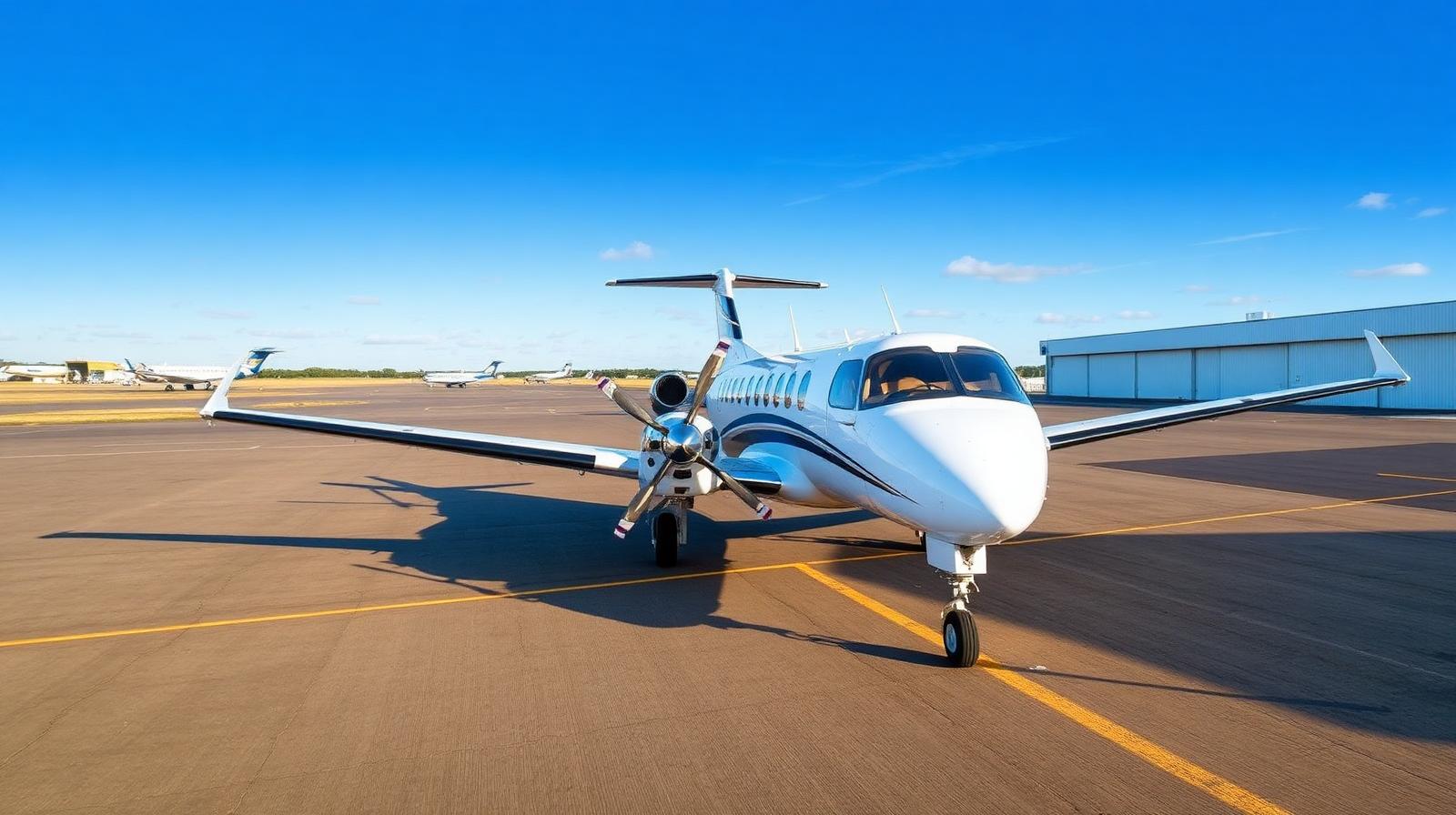
How regional partnerships work
Major airlines often outsource short-haul flying to regional partners that operate smaller aircraft (50 to 76 seats) under the major airline's brand. Tickets are sold by the major airline; aircraft, crew, and operations belong to the regional. From a passenger's perspective, the experience is mostly seamless — but for issues like crew scheduling, weight restrictions, or aircraft swaps, the regional's policies apply.

International long-haul
International long-haul flights are typically operated directly by the major airline using larger aircraft. The regulatory framework on these flights is more complex because multiple jurisdictions are involved, and treaties such as the Montreal Convention govern liability.
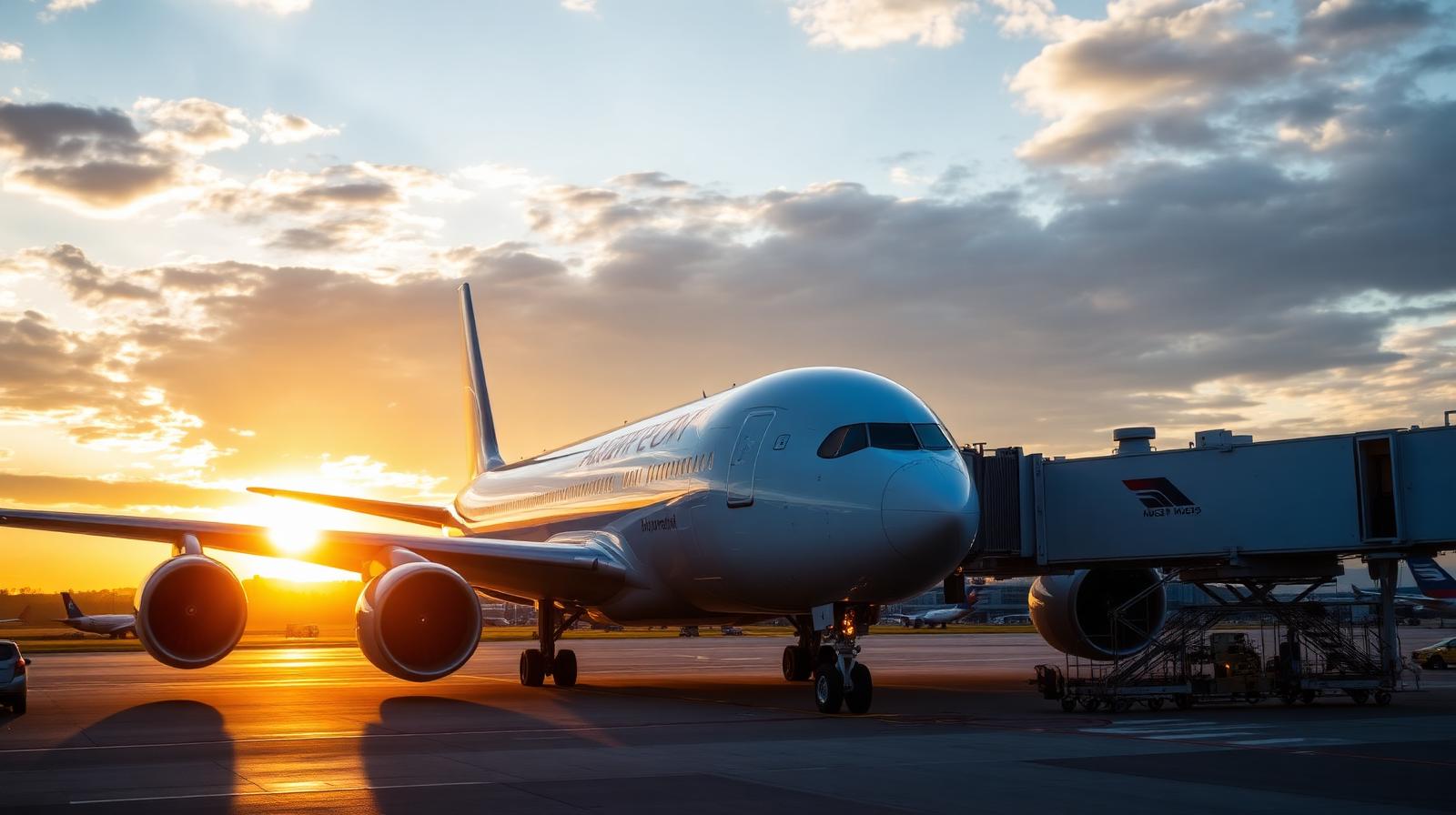
Practical consequences for travelers
On regional flights, weight restrictions are tighter, weather affects operations more dramatically, and gate-checking carry-on bags is common. On international long-haul, more liability protections apply but recovery options after a missed connection are slower because there are fewer flights per day.
Key takeaways
- Regional flights branded as a major airline are operated by a separate company.
- International long-haul is governed by international treaties such as the Montreal Convention.
- Operational characteristics — and disruption recovery — differ meaningfully between the two.