Why airlines overbook
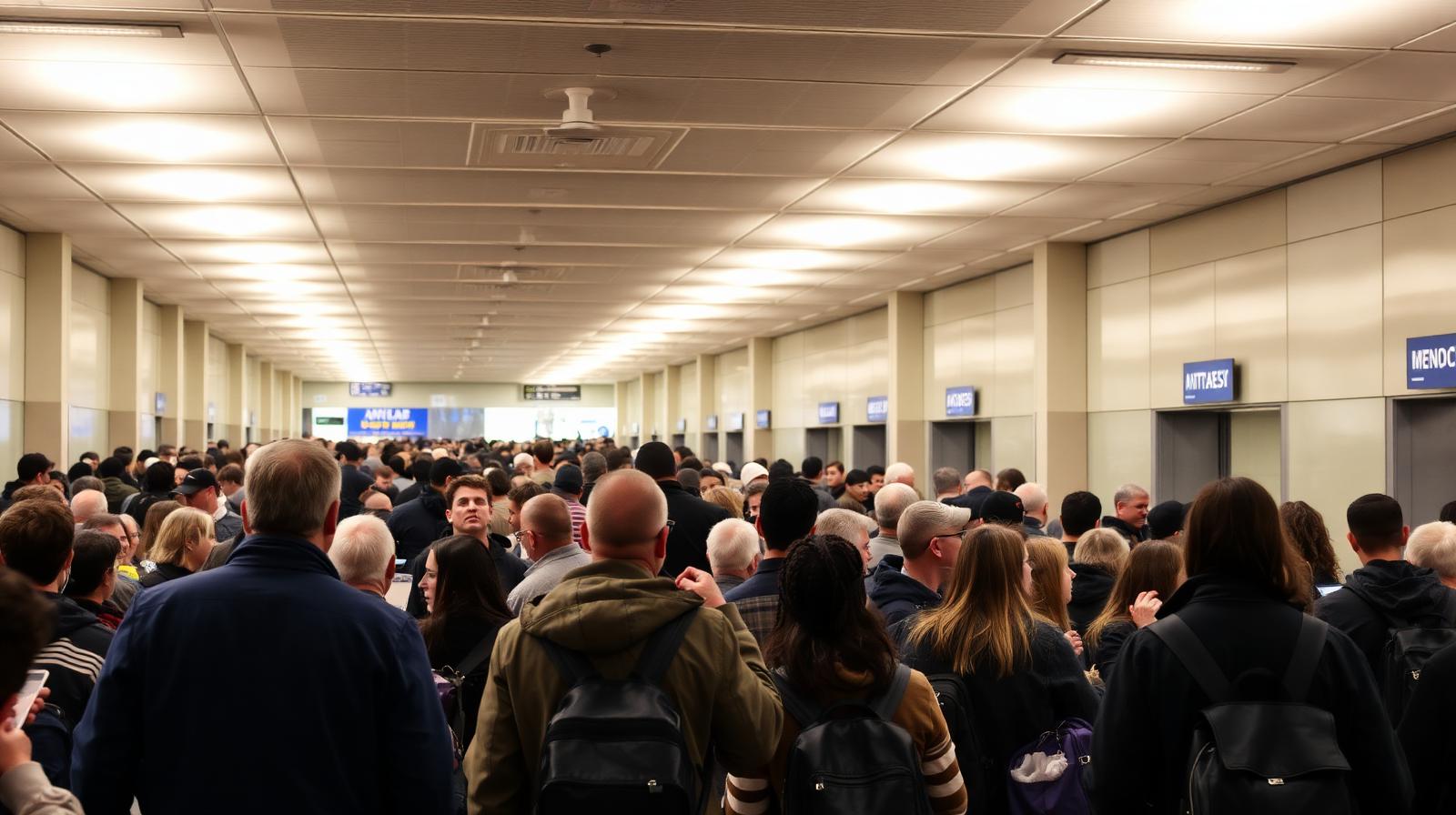
On a typical flight, 5–15% of booked passengers do not show up: late arrivals at security, missed connections, last-minute cancellations. Airlines model these no-show rates by route, time of day, and season. Overbooking matches inventory to expected demand and keeps fares lower for everyone.
What happens when too many passengers show up
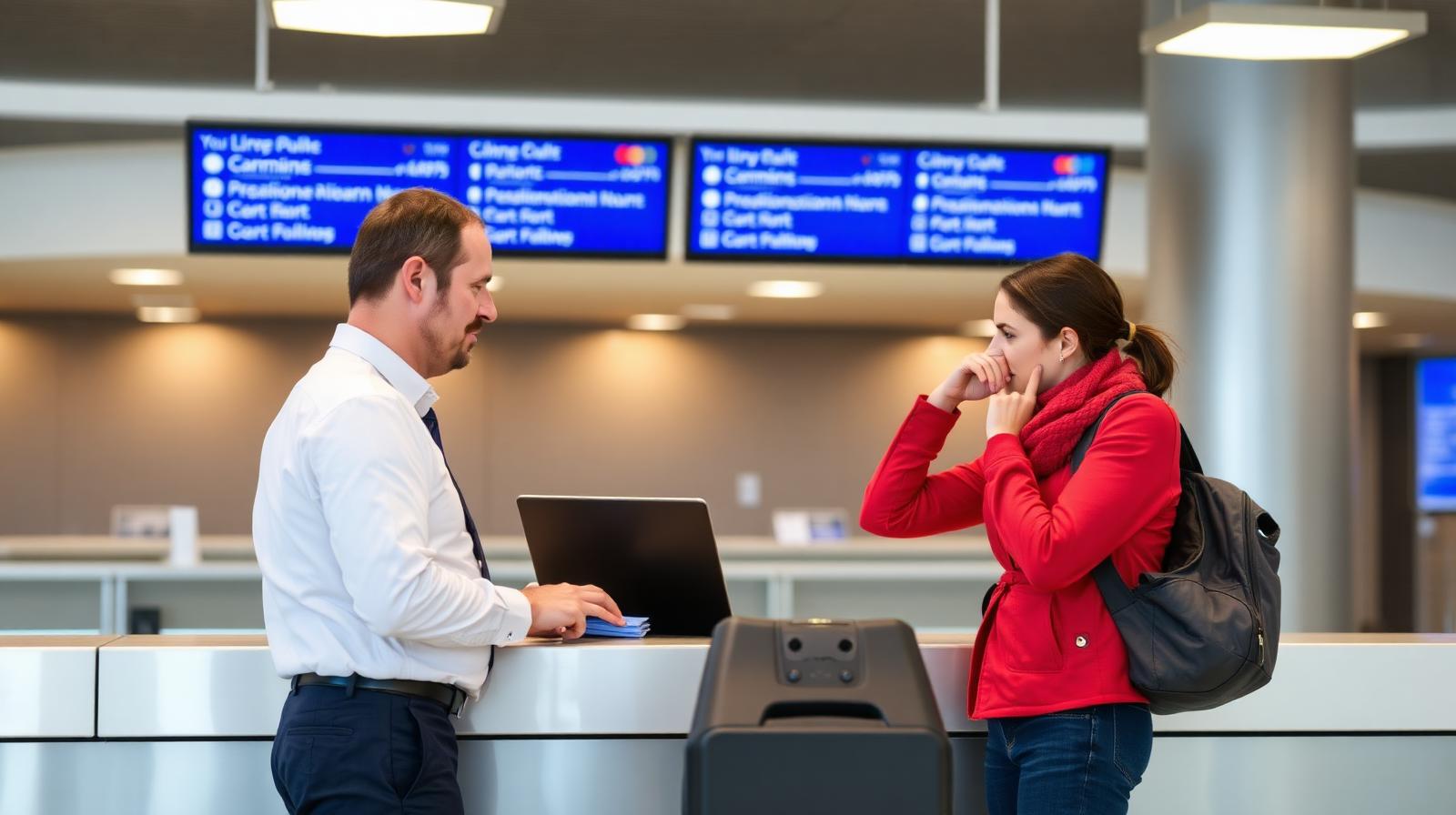
The airline first asks for volunteers, offering travel credit, a future flight, hotel, and meals in exchange for releasing the seat. Volunteer compensation is negotiable — the offer the airline makes first is rarely the most it is willing to pay. If not enough volunteers come forward, the airline selects passengers for involuntary denied boarding based on its published criteria (typically last-checked-in, lowest fare, no status, etc.).

Involuntary denied boarding
Passengers denied boarding involuntarily are entitled to cash compensation under most regulatory regimes. In the US, the amount is up to 4x the one-way fare, capped at a defined ceiling. In the EU, EC 261 applies the standard compensation amounts (€250 to €600 by distance). Compensation must be offered in cash; vouchers are optional and not required.
Key takeaways
- Overbooking is normal; it's how airlines plan around no-shows.
- Volunteer offers are negotiable — the first offer is not the maximum.
- Involuntary denied boarding triggers cash compensation in most jurisdictions.